The April 10, 2026 W3LL takedown is useful because it shows phishing as a business system, not a one-off scam.
Public law-enforcement reporting described a global phishing operation that helped criminals steal thousands of account credentials and attempt more than $20 million in fraud. Access to the W3LL phishing kit reportedly cost about $500, and the surrounding marketplace handled far more than fake login pages.
That is the part defenders should remember. The threat was not only the page that collected a password. It was the service model around it.
What W3LL Turned Into A Product
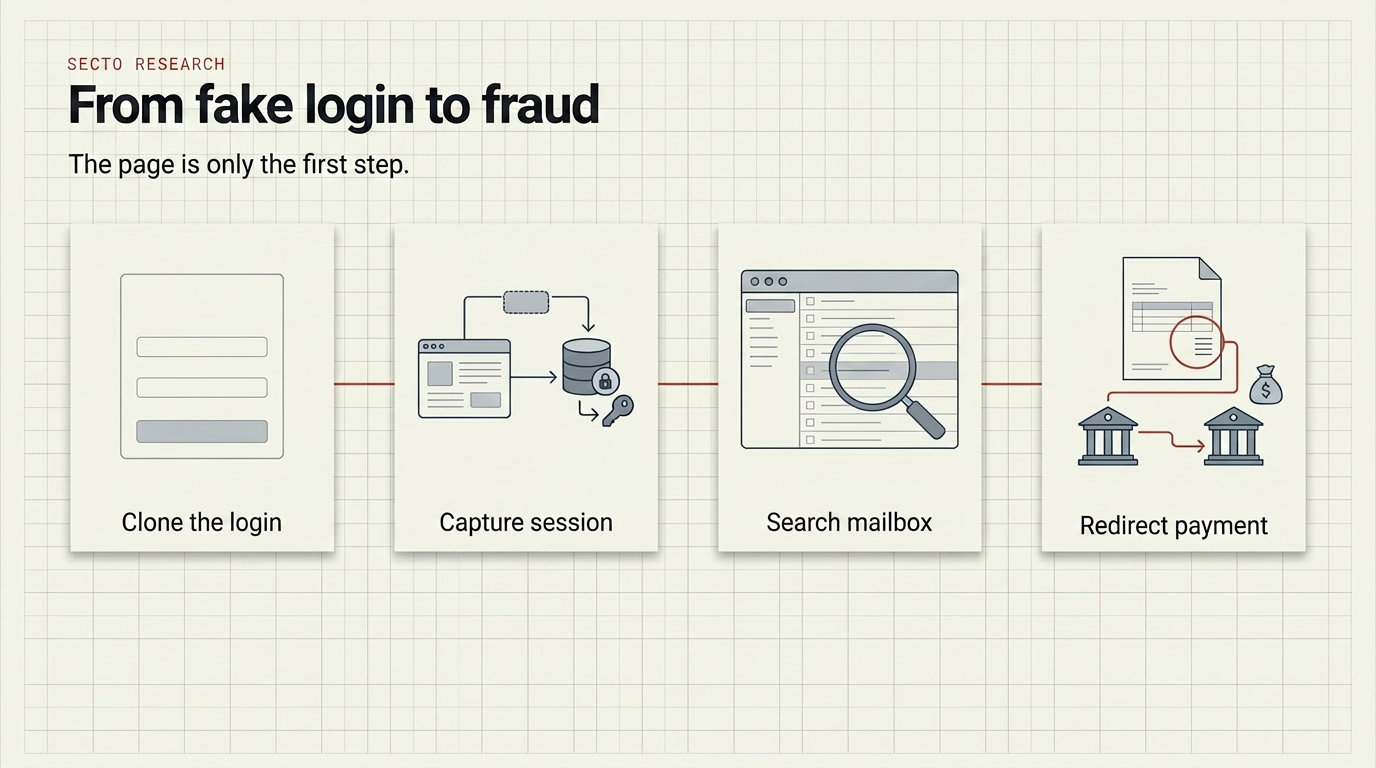
W3LL packaged the pieces attackers need to turn a stolen login into business impact. The kit could impersonate trusted login pages, collect credentials, capture session data, and help bypass legacy MFA. The marketplace around it supported stolen credentials and unauthorized access, including remote access paths.
Public reporting tied W3LLSTORE to more than 25,000 compromised accounts between 2019 and 2023. Even after the marketplace shut down in 2023, the operation reportedly continued through encrypted channels, targeting more than 17,000 victims from 2023 to 2024.
Why A Takedown Does Not End The Model
Takedowns matter. They remove infrastructure, increase friction, and expose the operators behind a service. But they do not erase the demand for easy credential theft.
W3LL shows that phishing has become easier to buy than to build. If one marketplace disappears, the underlying customer demand remains: ready-made login pages, session theft, stolen mailbox access, and fraud workflows that can be operated by people with limited technical depth.
What Security Teams Should Watch
- Credential theft is only the opening move. The real damage often begins after the attacker has mailbox access and starts manipulating trust.
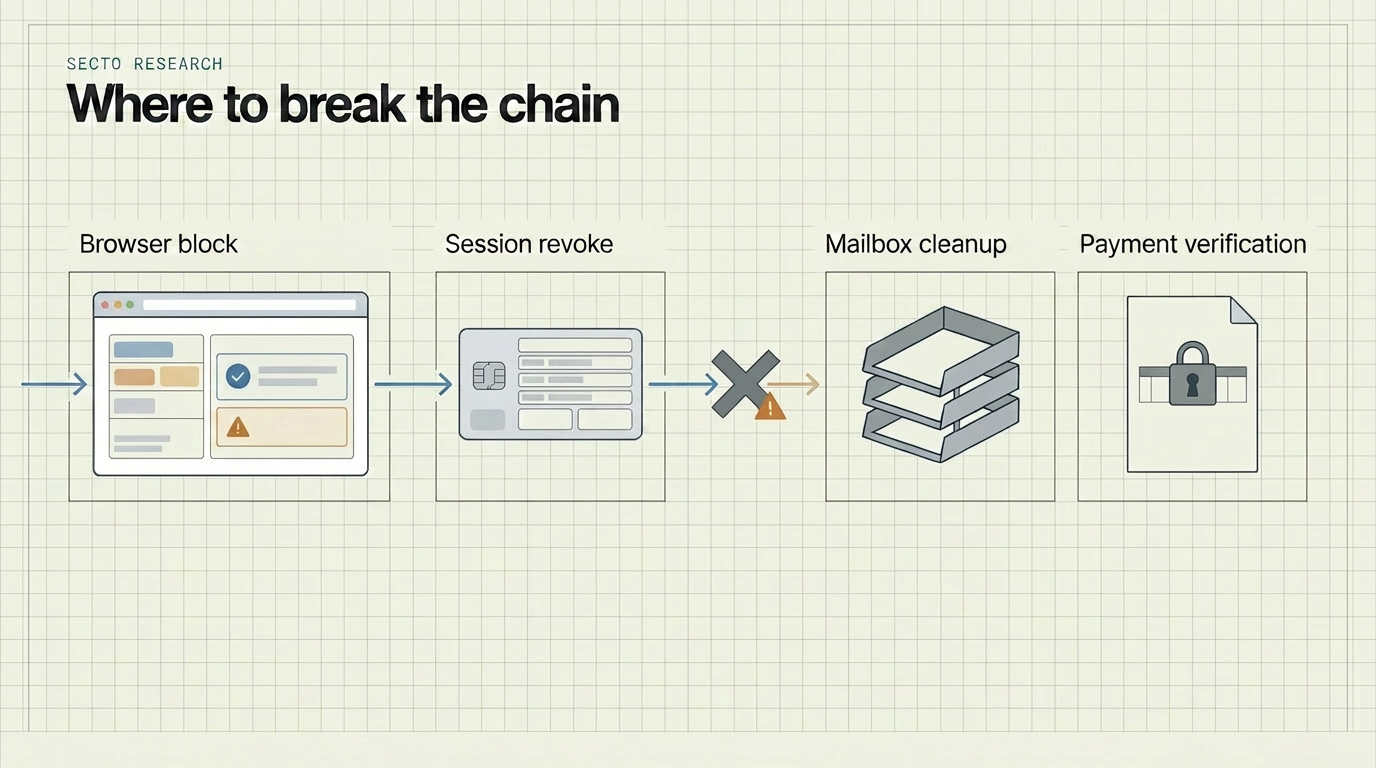
- Session material matters as much as passwords. If a kit captures session data, password reset alone may not remove the attacker.
- Business email compromise is part of the phishing economy. Stolen accounts become tools for invoice fraud, payment redirection, and internal impersonation.
- Marketplace activity lowers the skill barrier. More actors can run convincing phishing because the hard parts are sold as a service.
Where Secto Fits
Marketplace phishing succeeds when the user trusts the browser experience in front of them. The page looks familiar, the request feels routine, and the attacker turns one interaction into account access.
- At click time, Secto evaluates the rendered login experience before credentials or session material are handed over.
- That browser checkpoint is useful against cloned login pages and deceptive handoffs that phishing kits can rapidly reproduce.
- For security teams, the goal is to interrupt the conversion point where rented phishing infrastructure turns trust into access.